Hi, I’m Mikhail Kechinov, CEO of REES46, a tech company that builds marketing automation software. We work with any online business that has more than a hundred customers.
I’m going to take a risk and talk about something nobody seems to care about: what multichannel marketing is, and how a connected, omnichannel approach can work for mid-sized businesses.

Why do we think nobody cares? We presented on this topic at ECOM Expo, the biggest event in Russian e-commerce. And not for the first time — we’d already talked about how omnichannel works at the same venue back in 2022. Interest was low, so we figured, “Okay, maybe it’s just not time yet.” We were sure that by 2024 even the owner of a corner fruit stand would know what omnichannel means. Turns out almost nothing had changed in two years. Our Tactical MarTech session drew 20 people — seven of them speakers.
Still, I’ll try to explain why omnichannel is within reach for everyone, not just big business.
You can’t predict which channel will work
Let’s start with this: no single marketing automation tool can deliver strong sales on its own. We know what we’re talking about — we have 20 tools. And none of them is effective enough on its own.
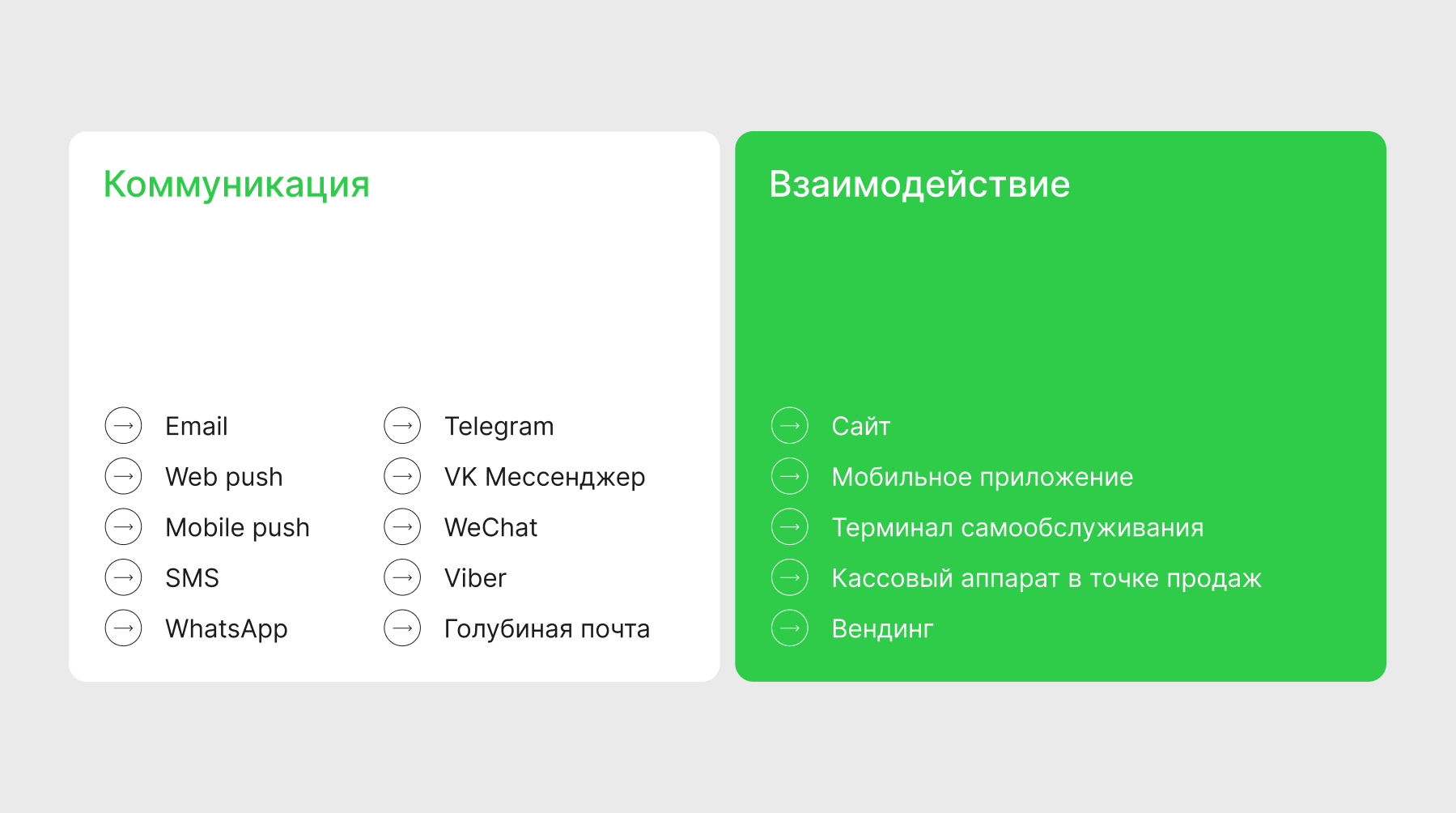
The easiest way to see how omnichannel works for a small business is through triggered messages. On our company blog here on vc.ru, I’ve written about which triggers perform best and how to build automated messaging workflows — and even shared a free map of automated messaging workflows that businesses can use across industries. The linked article is in Russian.
When we send triggered messages, we follow two rules:
- Channel cost. Go from cheapest to most expensive: virtually free email comes first, and SMS — the priciest channel — comes last.
- The customer’s preferred channel. The same channel can work brilliantly for one shopper and fall flat for another. If a user reads email more often than mobile push notifications, send them an email — even though both channels are cheap.
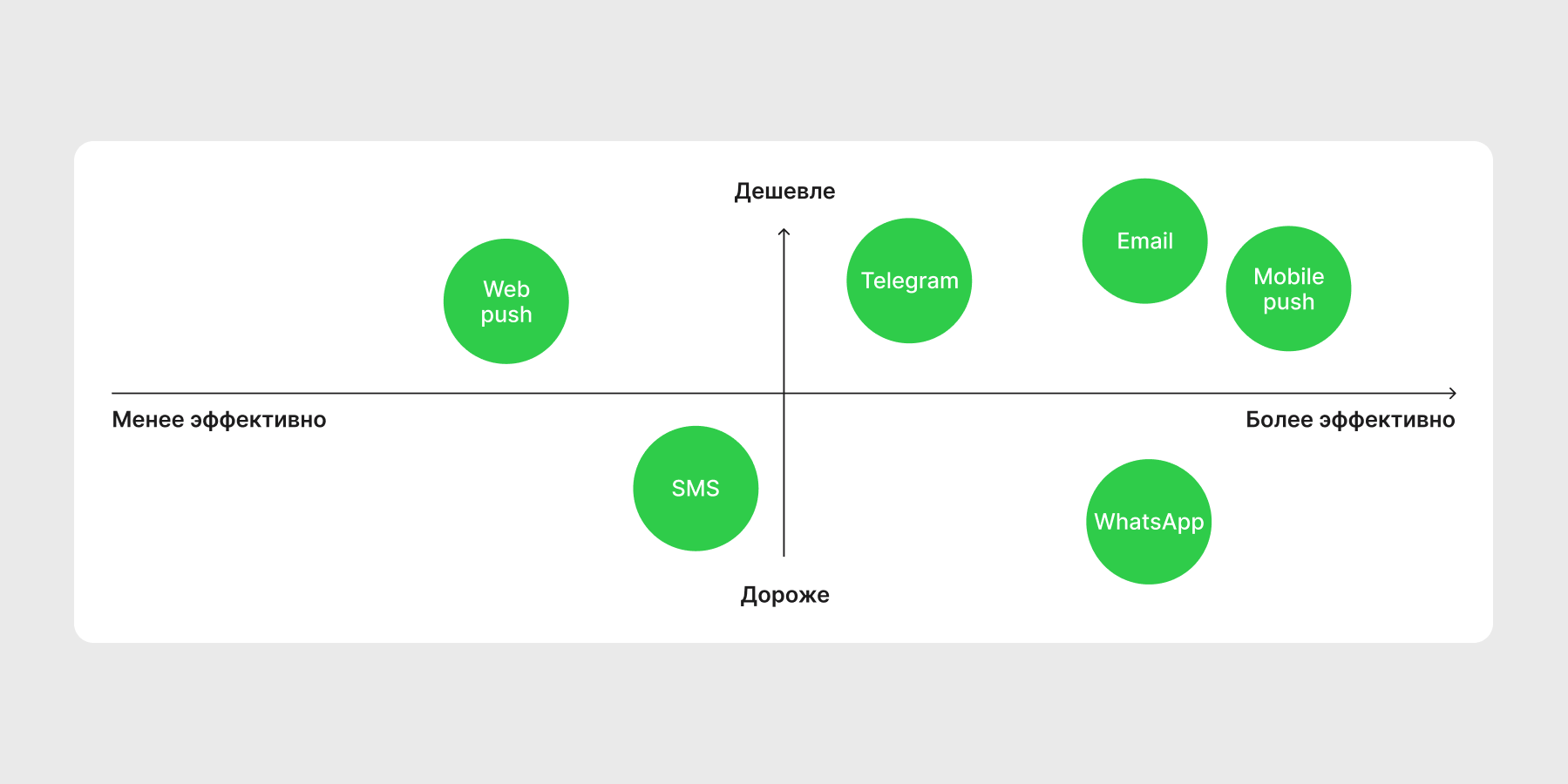
You can’t tell in advance which channel will perform best — it’s different for every shopper at every store. What you can say for sure is that very few people use just one channel when they browse and buy. Our research shows that people who use both the website and the app generate more revenue than single-channel shoppers.
Here are the numbers for one of our largest clients, broken down by customer group. The “Champions” segment consists of the shoppers who bring the store the most revenue. The figures show how the use of multiple devices varies across customer segments.
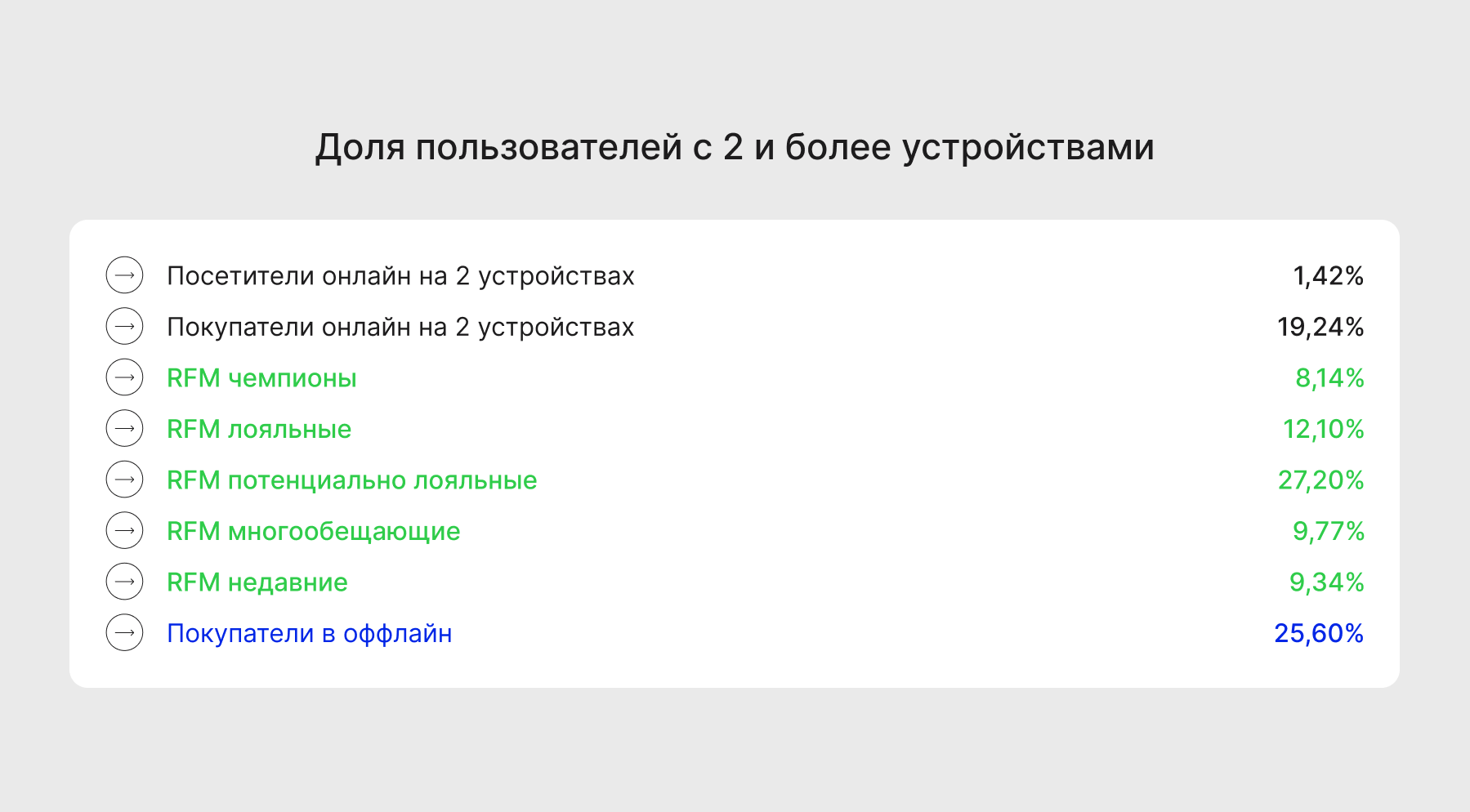
Two things stand out about the Champions segment. First, most of these customers have opted in to mobile push notifications. Second — we ran the numbers and double-checked — most of them have given the store more than one way to reach them: both an email address and a phone number. Not all of them subscribe to newsletters, but we have their emails. Having both contact details helps us connect the customer’s activity across channels. We can then use the channels available to that customer — for example, SMS, Telegram, WhatsApp or app push notifications.
A personal connection with millions
Mobile matters enormously, because you’re literally in someone’s pocket and on their smartwatch. When you have an app and a customer gets a push notification, it feels far more personal than an email. The same goes for messaging apps and SMS. But push, crucially, is virtually free.
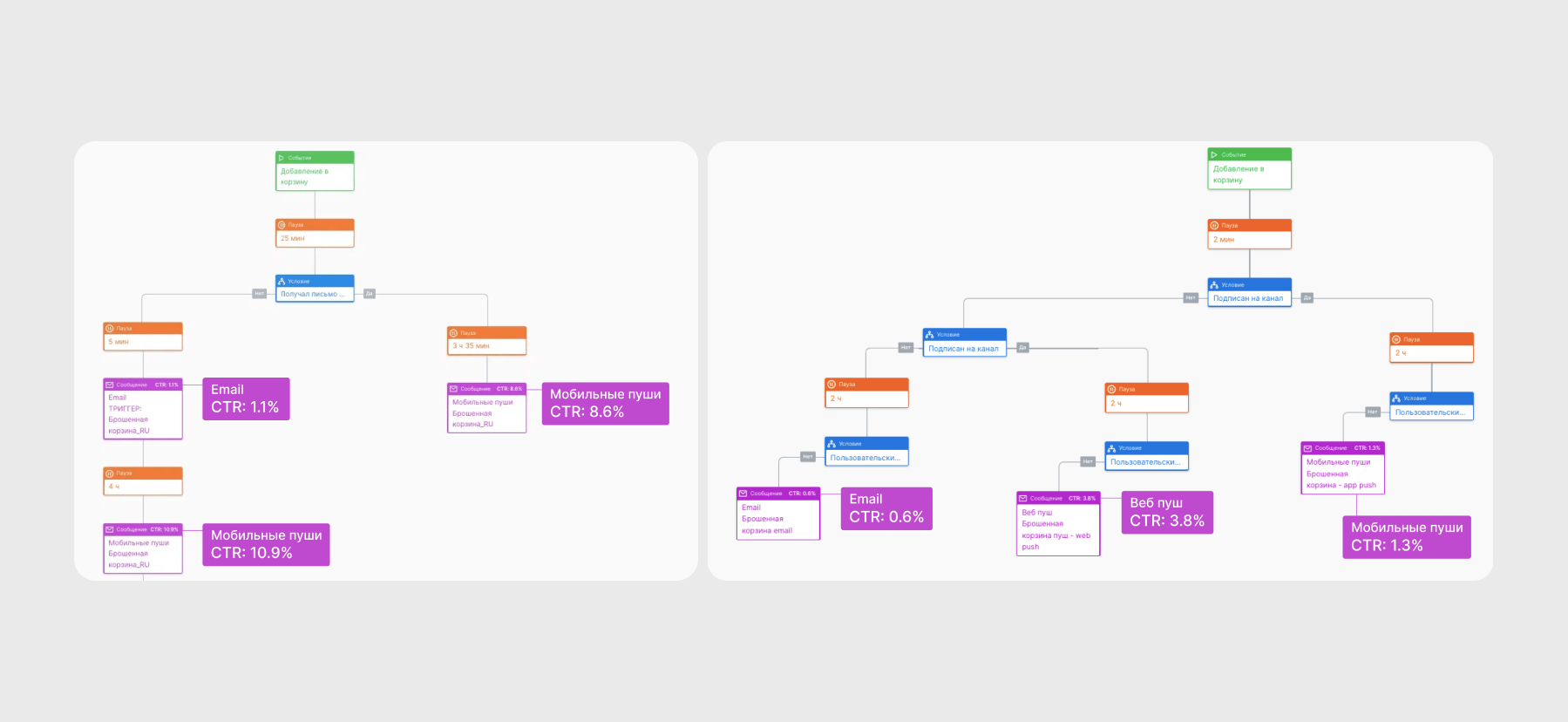
Here’s the abandoned-cart data for two of our clients. In these campaigns, mobile push — and sometimes web push — gets a higher click-through rate (CTR) than email.
The shopping experience spans multiple channels, too. Picture someone on a 40-minute subway ride who decides it’s a good time to shop for a fridge. They open the website or the app and add a few options to their favorites. But a fridge is a big purchase, so of course they want to see it in person at a store. That’s where they place the order — even though they chose online and added the options they were considering to their cart, just for convenience.
The email you send after that purchase matters. Not “Oops, you forgot something! You saved it but didn’t buy it. Didn’t you like it?” but “Thanks for your purchase! Here’s what people often buy with it.” That’s what a customer data platform (CDP) is for: it collects data on every user and matches offline and online activity.
Here’s how it works. At the checkout, the customer gives their phone number or loyalty card number, and the system knows they bought a fridge in store. They get a “Thank you for your order” email or a curated selection of related products — say, a set of shelf liners or a fridge organizer.
Our platform also lets you segment your audience by preferred communication channels and even by the time of day people open emails. You can set it up so that Irina gets a campaign email between 8 and 9 a.m., because that’s when she usually opens our emails — apparently that’s when she checks her inbox. If we land in her inbox by breakfast, we won’t get lost; we’ll be somewhere near the top.
Vasily, meanwhile, gets the very same email at 7 p.m., because that’s when he usually opens his. It’s all automated — and personalized for each customer.
If you’re online, multichannel is within reach. Here’s the code for a mobile storefront
This may sound like something only large companies with huge marketing departments can do — companies with five people on the email team alone. A mid-sized business might ask: “Why would we need this? All we have is a website — no app, no physical stores. A mobile app isn’t in our budget. So multichannel isn’t for us, right?” The good news is that if you’re online, multichannel is within reach.
Having both a website and an app makes your business multichannel. Connecting those channels through shared customer data is what makes the experience omnichannel. And it’s no longer just big business that can afford an app. You don’t need expensive custom development — there are handy app builders you can adapt to your needs. So we came up with something for clients who want to find out how much revenue a mobile app could bring without spending a fortune on development.
We have a ready-made mobile storefront engine, fully integrated with all our tools.
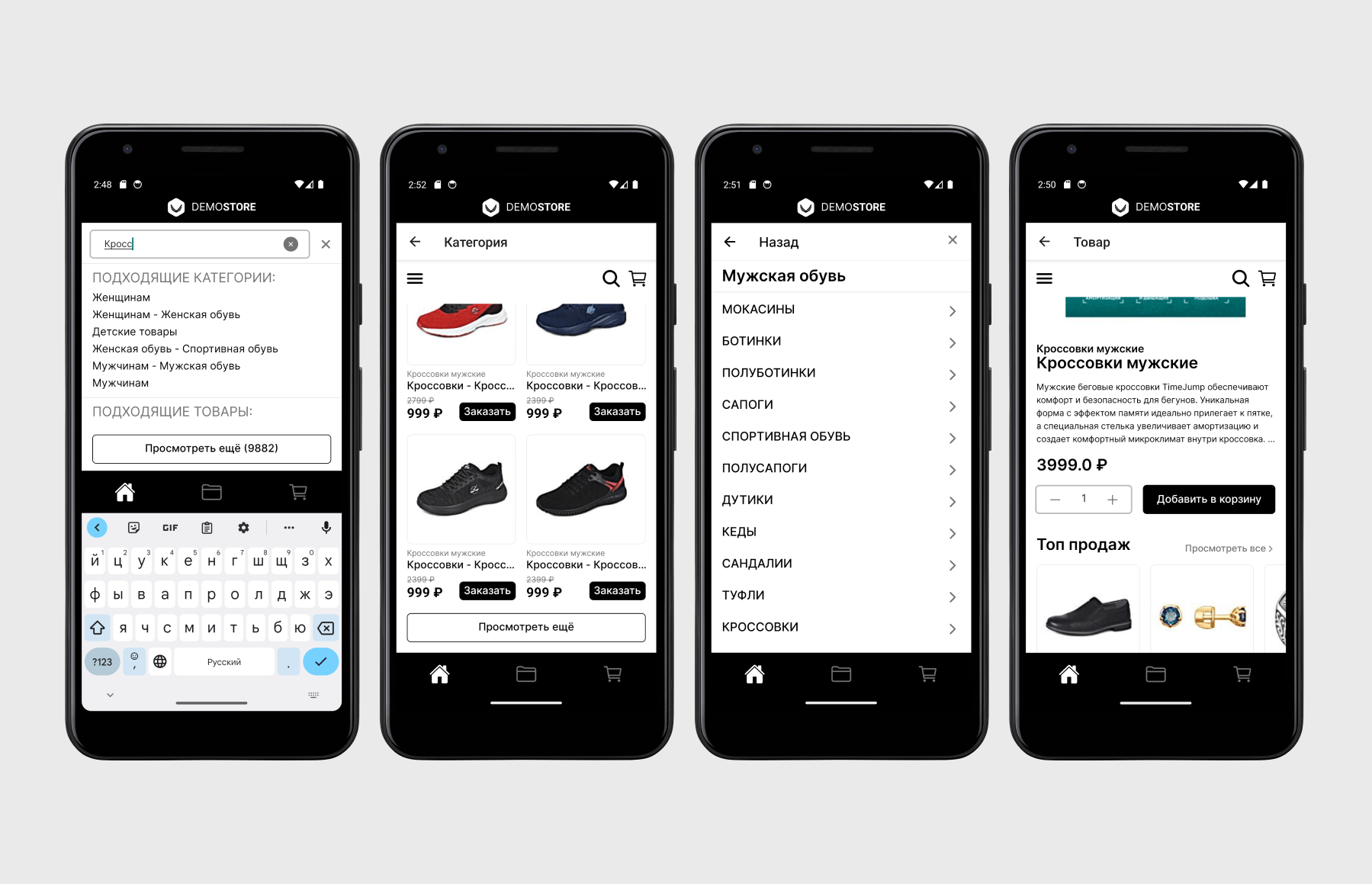
You can grab the code on GitHub. Download the code, share it with your developer, and start building your mobile storefront.
And of course, send me your feedback — we’ll keep improving this thing, and your comments will help us make the user experience even better.