Customers expect interactions with a brand to feel connected. That is the idea behind omnichannel marketing. A website visit, an email, a push notification — every touchpoint should be part of one continuous customer journey. That’s what personalization is for.
Today’s brands talk to customers, track interaction history and automate campaigns using a whole stack of different tools. The result is data silos that take costly development work to connect. In this guide, we’ll show you how to bring all your customer channels together and turn scattered messages into one cohesive customer experience on the REES46 platform.
What a customer journey is — and how to design one
A personalized customer journey means tailoring every marketing message to each customer’s unique needs, interests and preferences. According to McKinsey’s 2021 research, 71% of consumers expect brands to deliver personalized interactions.
One-size-fits-all no longer works. Modern brands offer each customer content and recommendations that match their needs — and reach them through their preferred channels at the right time. The hard part is integrating a tangle of disconnected systems: email and SMS services, personalization tools, push notification software.
The simplest solution is a cross-channel marketing automation platform like REES46. Book a demo to see how you can combine channels in your marketing.
Brands that personalize their marketing can gain a major edge. Here’s why:
- Fewer barriers. Customers don’t have to reach out first, do their own research, hunt for the right product or guess where to click to order it.
- Trust and engagement. By offering only relevant content, you show customers you understand their needs and value their time.
- Higher conversion and revenue. Reducing friction and making communications more relevant can improve the performance of existing campaigns.
Before you personalize the customer journey…
Before you can design and roll out a personalization strategy, you need two things in place:
- Reliable customer data. Most brands keep it in a CRM or a dedicated Customer Data Platform.
- A basic understanding of customer expectations and pain points. That takes customer surveys and analytics that show how people interact with your brand. Dedicated tools — reviews and NPS surveys — make it easy to run them. And you can collect website and email engagement data with REES46 analytics.
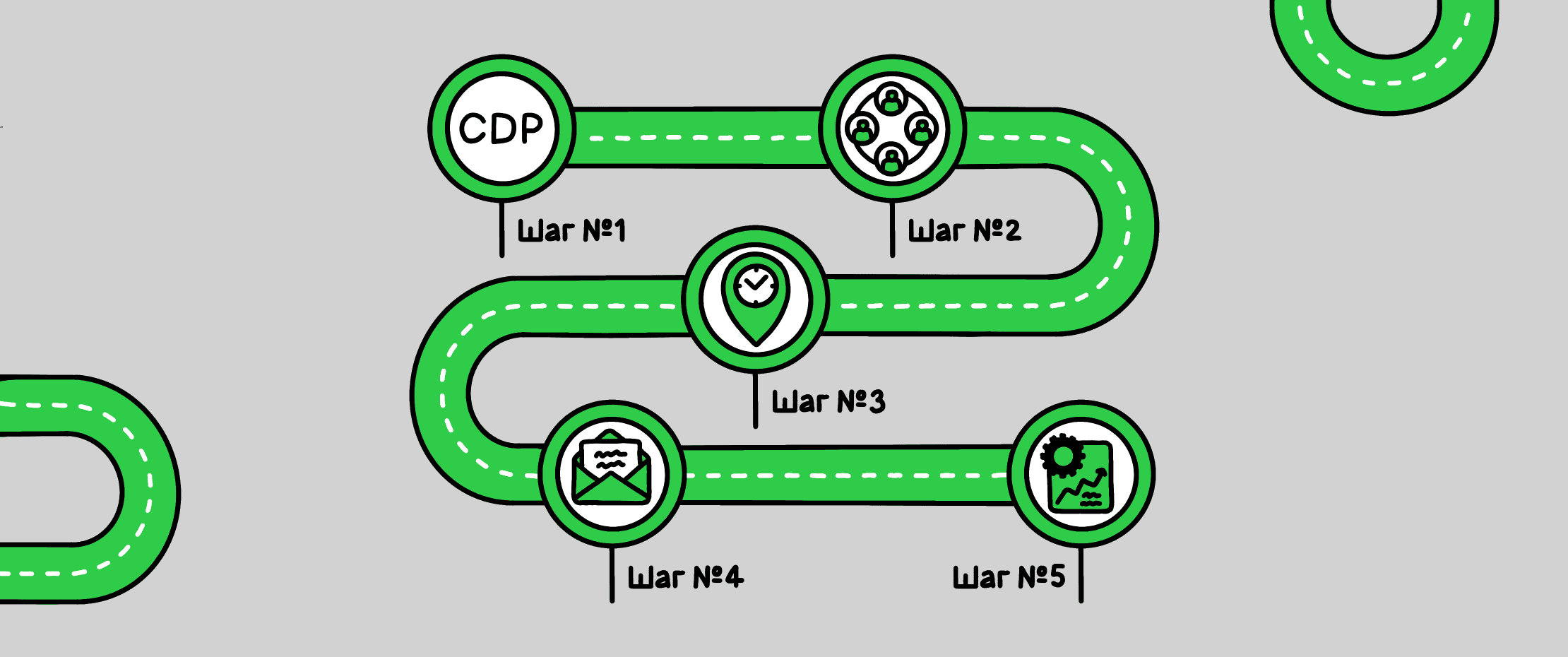
Step 1: Bring your customer data together
Successful personalization runs on customer data. You need to know:
- Who your customers are — their names, contact details and demographics.
- How they engage with your brand — which channels (or combinations of channels) they prefer, and what time of day they interact with your messages.
- Which products or services interest them — the categories they browse, what they add to their cart, their order history.
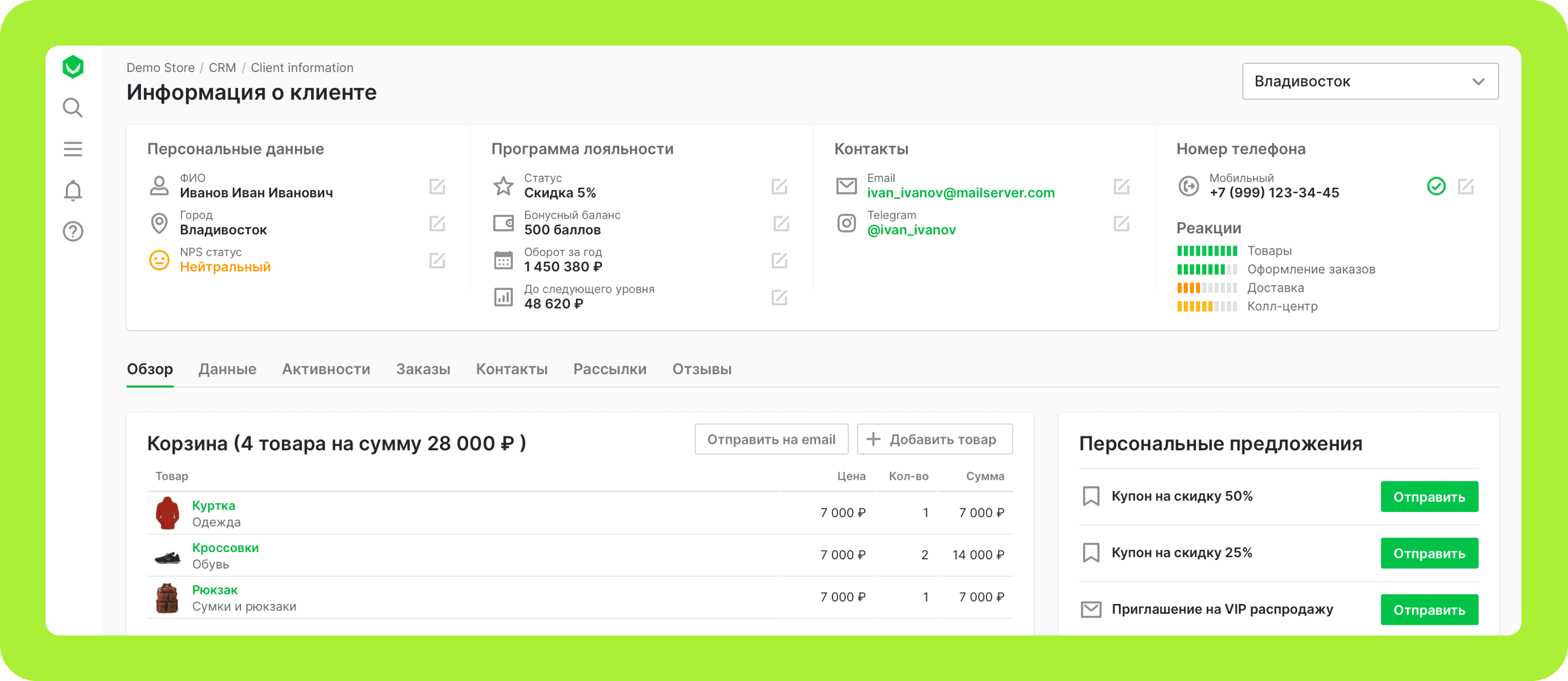
Many brands keep this data in separate systems: a CRM, an email service, survey platforms, a CMS, and so on. That forces them to set up complex integrations just to get an accurate view of the customer journey.
Start by bringing your customer data into a customer data platform (CDP). A CDP pulls customer data from multiple sources into a single database. Companies use it to build unified profiles of every customer, which become the foundation for personalized marketing. We’ve covered how a CDP works in more detail in a separate guide.
Step 2: Segment your customer base
Segmentation means grouping customers by shared characteristics and behavior. It lets you focus on the groups that take the most marketing effort to engage.
You can build your own dynamic segments on our platform. “Dynamic” means users join a segment automatically as soon as they meet its conditions. Those conditions fall into two groups: profile data and profile events.
Data covers everything about the customer themselves:
- location,
- gender,
- email address,
- date of birth,
- clothing or shoe size,
- loyalty card status,
- and more.
Events are the customer’s actions:
- which emails they opened,
- which products they viewed on the website,
- what they searched for,
- and more.
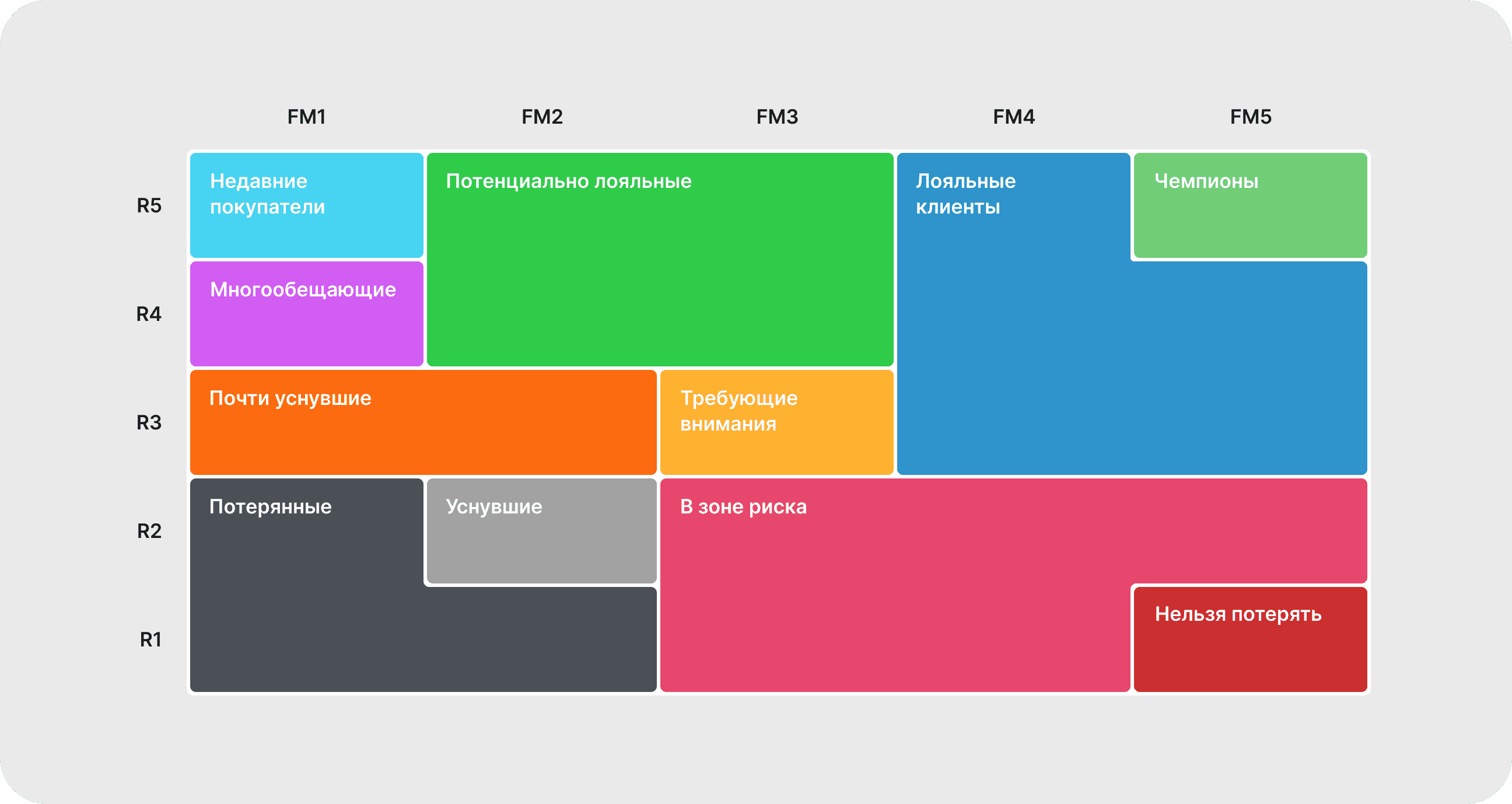
There’s also RFM analysis, which uses past behavior — recency, frequency and monetary value of purchases — to predict what a customer will do next. Your contact database is automatically divided into 11 segments, from your most loyal customers to those you’ve lost.
Step 3: Reach customers in the right place at the right time
Once you know how customers interact with your product, it’s easier to reach them through their preferred channels. That’s why REES46 tools cover every key channel:
- Telegram,
- email,
- SMS,
- mobile and web push,
- your website,
- your mobile app.
That covers where to reach your customers. What about the right time? For bulk emails, we offer Smart Delivery. If a subscriber tends to open emails at a certain time, the next one is automatically sent in that same window. For example, if someone opened emails at 1:14 p.m. and 1:47 p.m., the next one goes out between 1 and 2 p.m.
Next, let’s put those channels to work in personalized campaigns.
Step 4: Build personalized campaigns
You have your segments and a clear idea of when and how to engage each audience. Depending on your goal, you can test different channel combinations within a single campaign.
Here’s what that can look like in practice:
- Acquisition = email + Stories featuring an influencer + a push notification with a compelling offer
- Helping customers on site = personalized product recommendations + a follow-up email featuring products similar to those they viewed
- Checkout = email + a push reminder about items left in the cart
- Post-purchase follow-up and cross-selling = a transactional SMS + a triggered email recommending complementary products + a mobile push offering a discount on the next purchase
These examples give you a starting point for testing your own channel combinations.
Step 5: Measure and optimize
The results of your first campaigns will help you fine-tune the next ones.
- Track results. Use REES46’s built-in analytics to measure how your personalized campaigns perform: open rates, clicks and conversion.
- Test and learn. Try different channel mixes, send times, copy and images to see what works best.
- Collect customer feedback. Add a review or NPS widget to your messages to improve your product, communications and service.
- Keep improving. Never stop testing and looking for new ideas — your strategy should keep evolving while staying true to what your customers prefer.
Want to learn more about what REES46 can do? Book a free demo, and we’ll suggest solutions tailored to your business.