About this guide
REES46 is an AI-powered marketing automation platform.
It brings 15 tools into a single interface, including product recommendation blocks, smart search, bulk messaging, triggered campaigns and much more.
We build solutions for e-commerce, edtech, insurance, real estate, foodtech and healthcare.
Product recommendations account for 2.5–10% of our clients’ monthly revenue on average, with some clients reaching up to 30%.
Here’s what you need to know about this tool in 2024 to get the most from it. The guidance draws on our clients’ experience and industry research.
What product recommendations are
Product recommendations are a marketing automation tool.
You offer prospects and existing customers the products most likely to interest them, based on their shopping behavior. Recommendation blocks can appear on different pages of your website, in your app and in emails.
Here’s how REES46 product recommendations work: choose a ready-made scenario for a block or set up your own logic. The algorithms then select relevant products for each user automatically.
Each personalized offer is based on the user’s activity history and the information about them collected automatically by a customer data platform (CDP). We’ll explain how that works later in this guide.
Market size and forecasts
The global recommendation engine market was worth $5.17 billion in 2023. The 2024 forecast projected a market value of $6.88 billion that year and more than $28 billion by 2029, at a compound annual growth rate of 33%. [1]
Key trends [2]
- Growing demand for personalization
- Wider adoption in e-commerce
- Integration with Internet of Things (IoT) devices for more precise targeting
- Adoption of AI and voice recommendations
- The influence of social media and user-generated content (UGC)
- Greater focus on personal data protection
Sources cited in the 2024 guide
[1] Mordor Intelligence, 2024. Product Recommendation Engine Market Size & Share Analysis — Growth Trends & Forecasts (2024-2029). 2024 report listing and historical forecast summary.
[2] MarkWide Research, 2024. Global Recommendation Engine Market. Source reference in the original Russian guide.
Where to place recommendation blocks
Based on our clients’ experience, we’ve put together a layout that delivers excellent results for hundreds of online stores of every size.
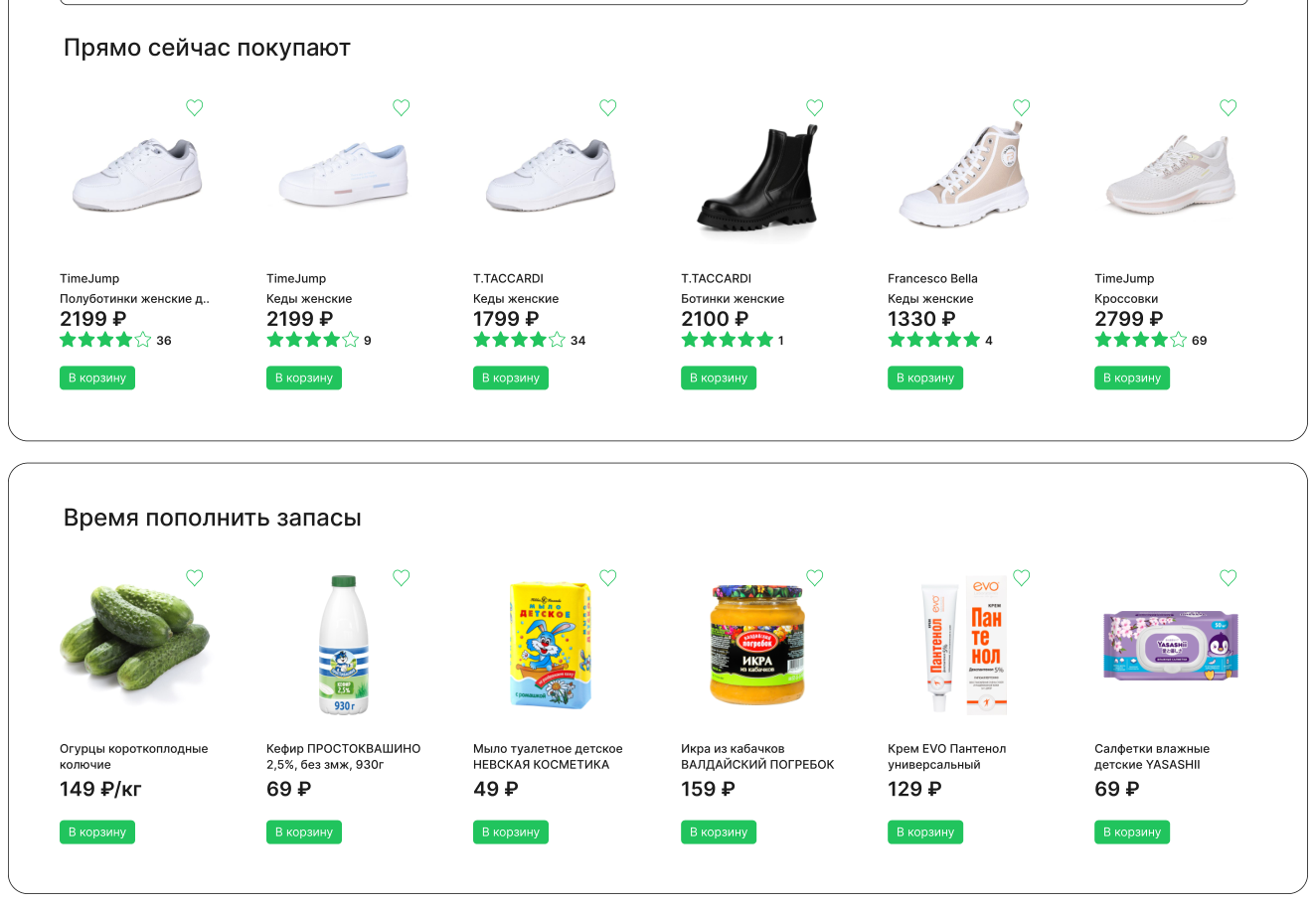
Homepage
- “What customers are buying now” — place it near the top. “Popular products” can replace this block or appear immediately after it.
- “Time to restock” — especially relevant for stores selling fast-moving consumer goods (FMCG).
We recommend testing different block titles and analyzing the results to find the phrases that work best.
Category page
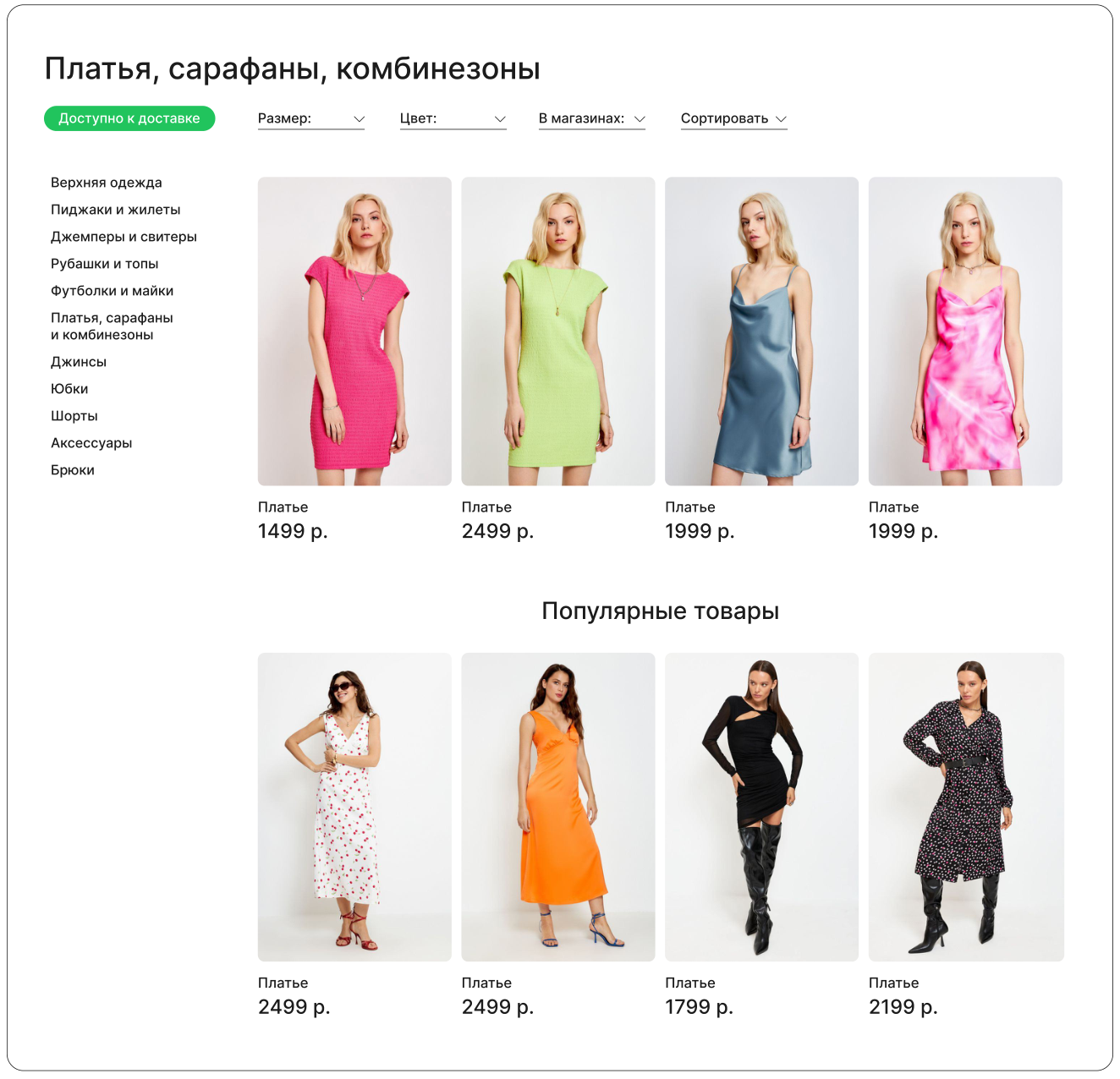
- “Popular products” goes near the top of the category page. You can choose the exact position.
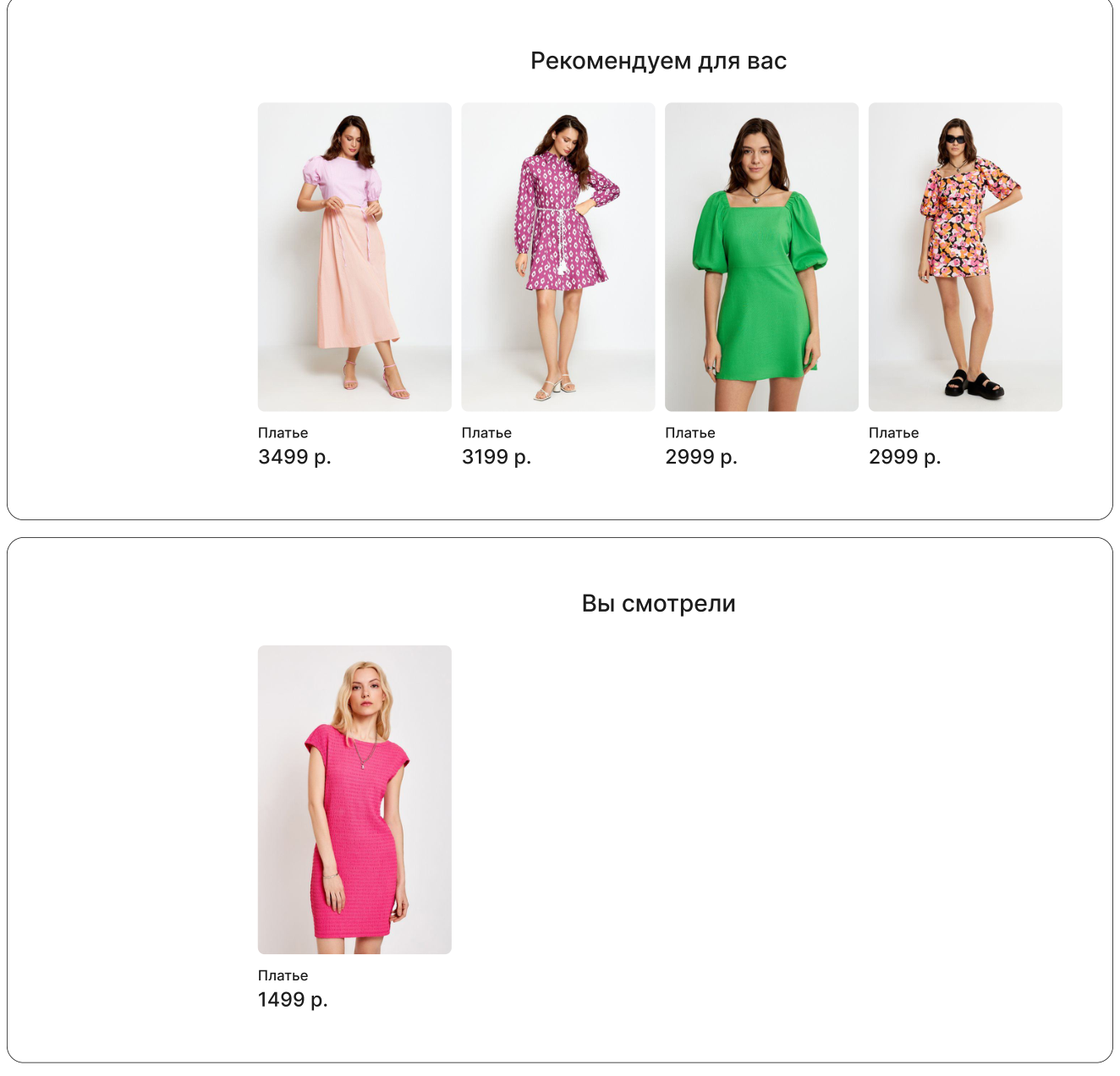
- “Recommended for you” and “Recently viewed” go at the bottom of the page.
Sometimes “Popular products” alone is enough. Other sites see better results with two or three blocks, so test different combinations.
Product page
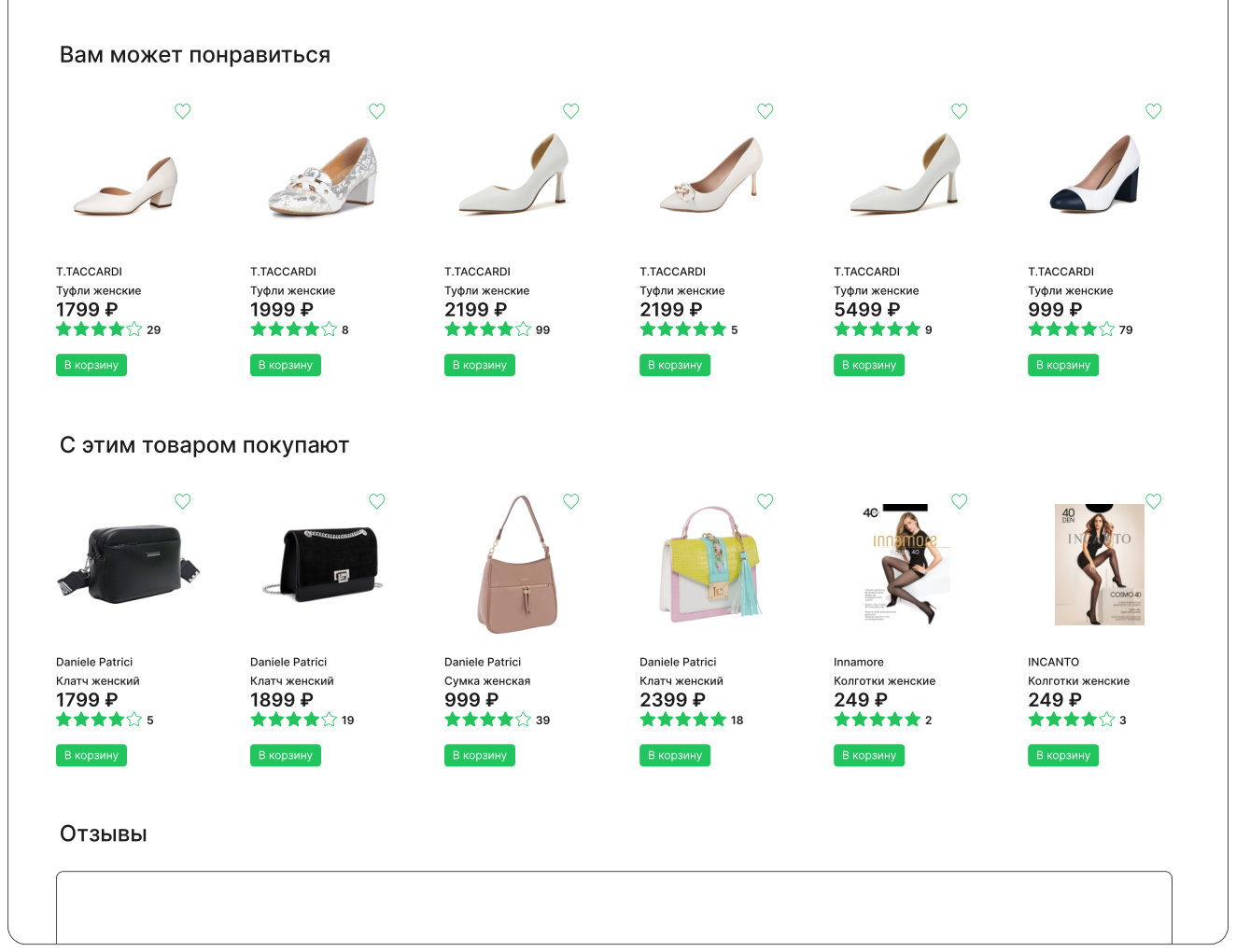
Use “You might also like” and “Frequently bought together”, either separately or together. Place them below the product details but above the reviews.
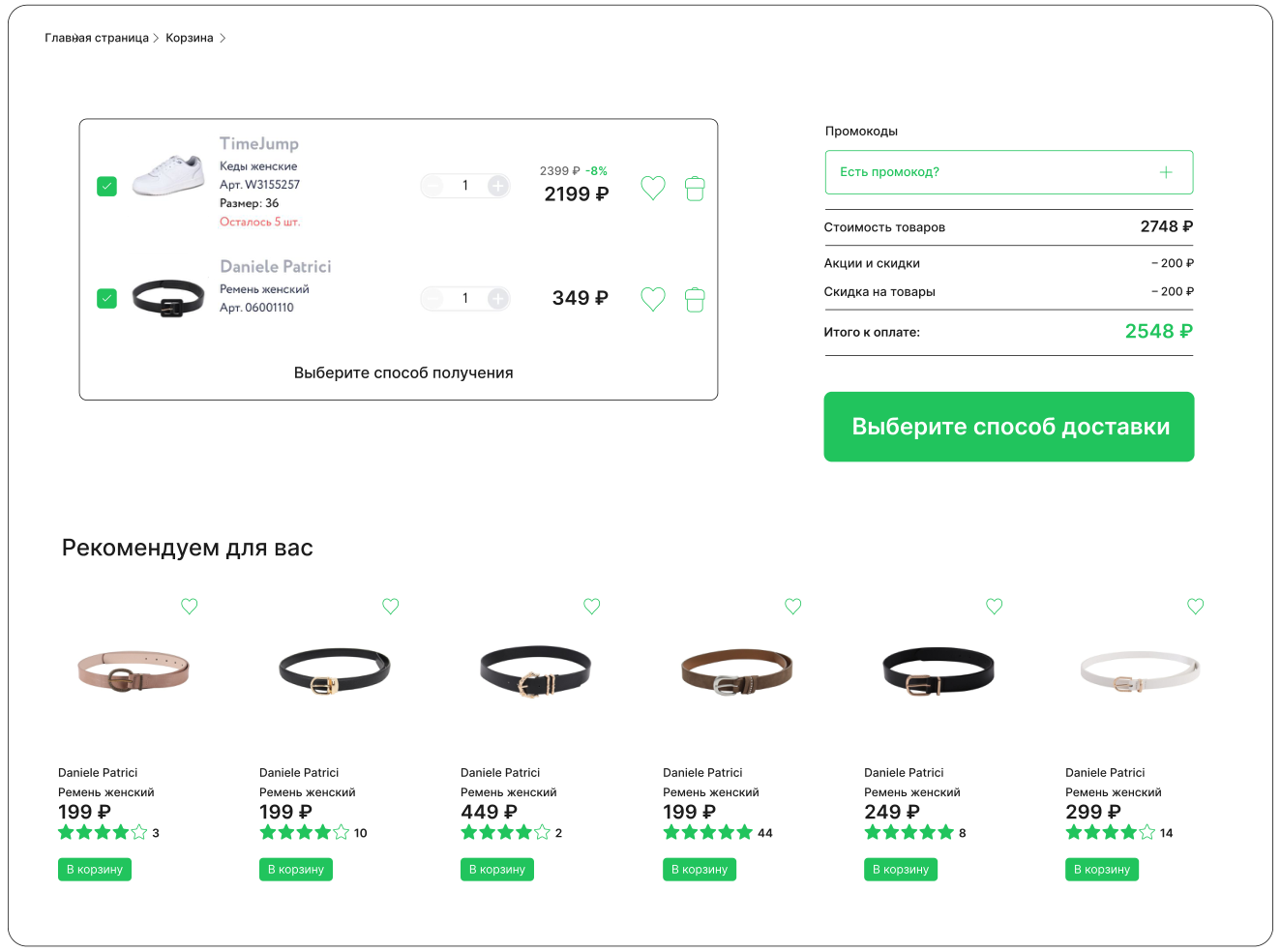
Cart
Place “Recommended for you” below the order summary.
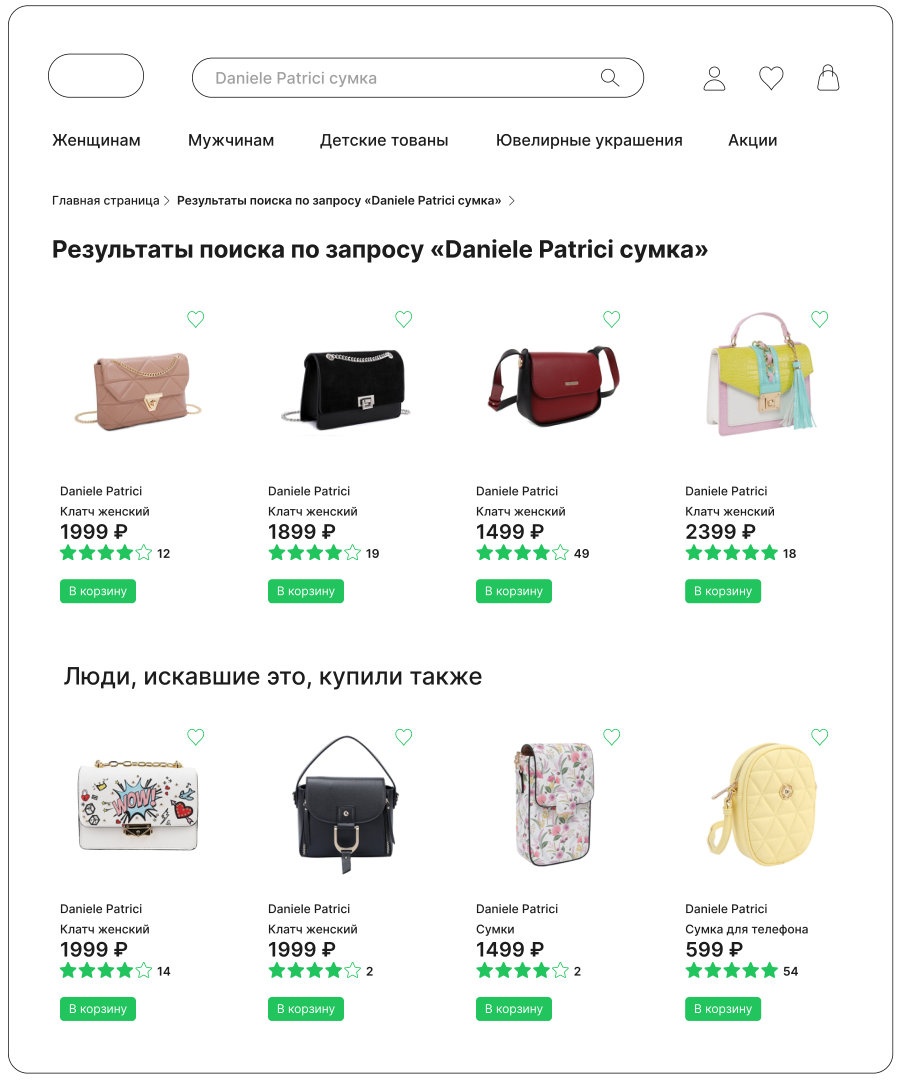
Search results page
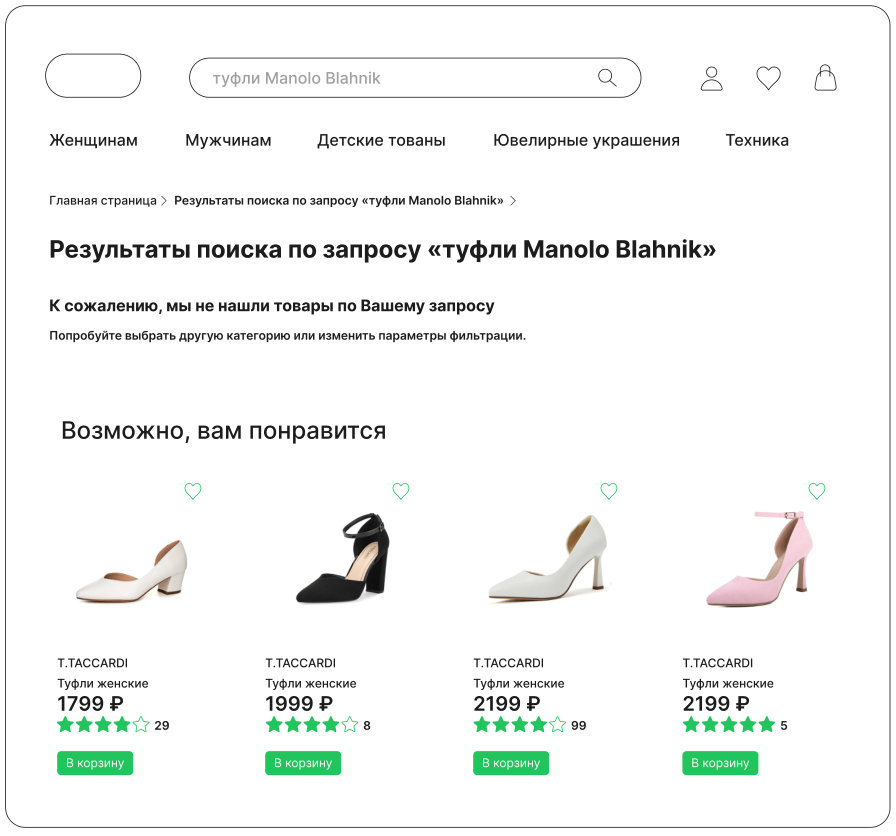
- For a search with no results, place “You might also like” next to the “Sorry, we couldn’t find anything” message.
- Alongside regular results, use “People who searched for this also bought.”
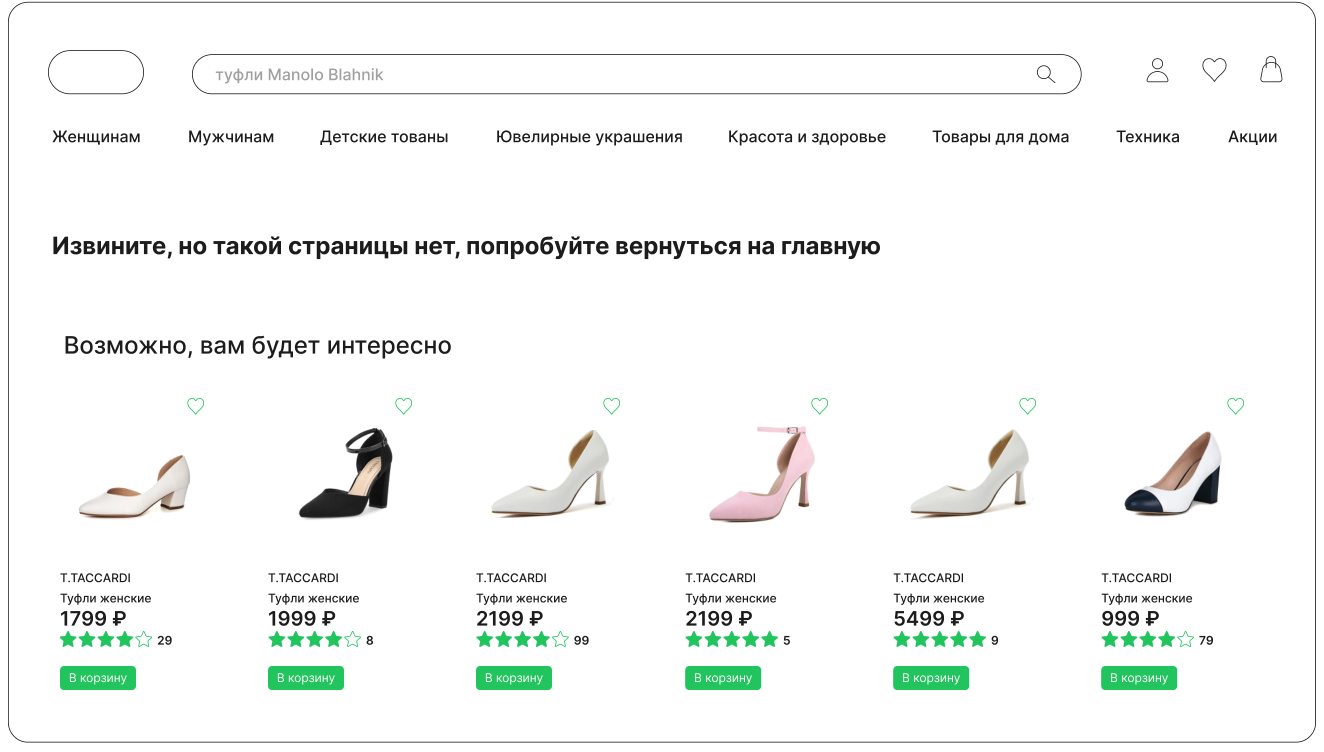
404 page
“You might also like” turns a dead end into a product showcase.
Other ways to use recommendations
This is a proven baseline layout for recommendation blocks — start with it. You can also create dedicated blocks for landing pages, blog posts with curated product selections, or pop-ups. Test different options to find the right fit for your project.
Ideas for your next A/B test
Recommendation blocks need testing even when results are already strong. For example, the preset “You might like these” block may initially achieve a monthly conversion rate of 8–9%. Over time, however, visitors may start to overlook it, and its conversion rate may fall. That’s why A/B testing matters.
What to test
- Block titles. Stores often use generic titles such as “You might like these,” “Recently viewed” or “Popular products.” Get creative with your headlines.
- Display format and channel. Pop-ups help overcome banner blindness: a recommendation block that appears on screen is hard to miss. Recommended products can also attract more attention inside an email than on the website.
- Block placement across pages. More blocks mean more chances to sell. Recommendations are easy to style and can blend naturally into any page design. A single small block at the bottom of a page may not deliver even a quarter of the results we can achieve by spreading blocks evenly across the site.
- Products without prices. For recommendation blocks in emails, test different groups of recommended products with and without prices.
- Increasing average order value. For recommendation blocks in the cart, try adding price conditions to the algorithm. For example, show products priced from 1,000 to 5,000 rubles when an item in the cart costs more than 2,000 rubles.
- Personalization based on user activity. Add filters to a block’s algorithm for deeper personalization. On the homepage, for example, you can show popular products in general, or popular products among those the user interacted with in the last hour or day. You can also show products from categories the person has already bought from or added to their cart.
Experiment, run A/B tests, and find the approaches that work for your store.
Personalization: how a CDP works with product recommendations
A customer data platform connects customer data across marketing tools, helping create a consistent, personalized experience.
A CDP combines the information customers share with their purchase and browsing history. Depending on the data available, a profile can include a customer’s name, age, contact details, city, children’s ages, pets and pet food preferences, reviews and ratings.
How a CDP collects and uses data for personalization
- Data sources: CRM, website, mobile apps, smart devices and offline transactions.
- Customer profile: profile creation, deduplication, offline and online data matching, and comprehensive analytics.
- Application: personalized product recommendations.
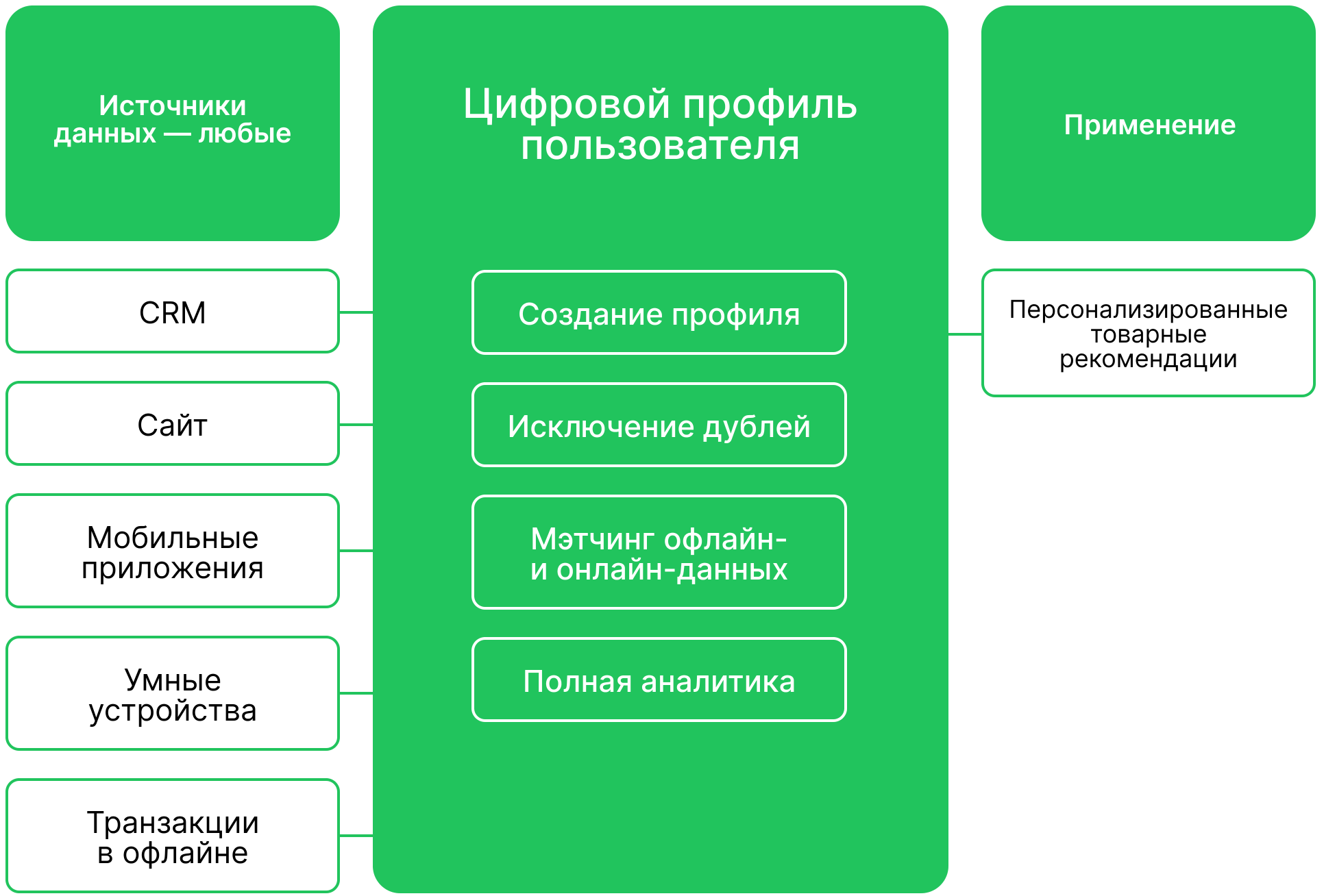
How a CDP and product recommendations work together
- On the website, the customer browses a specific category.
- In the mobile app, the customer saves several products to Favorites.
- In a physical store, the customer buys the item they wanted.
- In the mobile app, the customer removes the purchased item and similar items from Favorites.
- On the website, the customer receives recommendations based on the purchase.
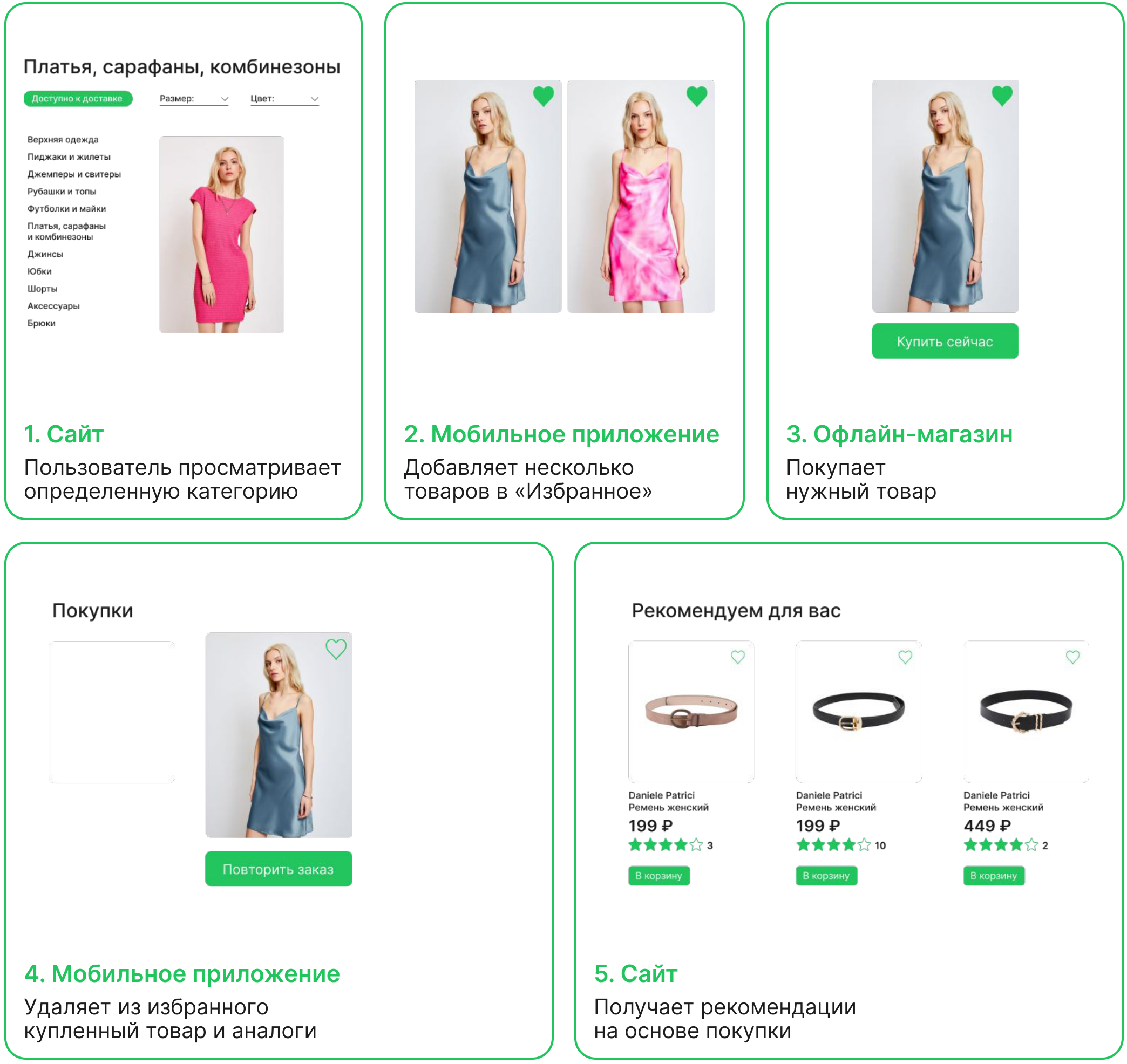
Because the CDP combines online and offline data, the online store’s marketer knows that the customer removed items from Favorites because they had already made a purchase. The shopper can now receive relevant recommendations: gloves or a bag to go with their new boots, headphones for a new smartphone, or the next book in the same series.
Client results
Here are two examples of client results reported by REES46.
Unichel: footwear retail
Goal: increase online store revenue through automation and personalization.
What we did: implemented the full REES46 solution for recommendations, triggered messages and search. The priority was user-user and user-item recommendation scenarios: personalization based on similar user profiles and on products.
- Seven blocks on the homepage: “Worth a look,” “Popular,” “Trending,” “What customers are buying now,” “New arrivals,” “Deals” and “You might like these.”
- One block on the category page: “Popular in this category.”
- Two blocks on the product page: “Similar” and “Recommended.”
The most effective blocks were “Popular” on the homepage and “Similar products” on the product page.
Reported result: recommendation blocks generated up to 30% of revenue in peak season.
Technodom.kz: electronics retail in Kazakhstan
Goals
- Speed up and automate the creation of landing pages with recommendations.
- Test marketing ideas faster.
- Recommend only products available in the user’s city, at the current price.
- Fill empty slots in recommendation blocks caused by a shortage of matching products.
- Speed up loading and reduce server load during traffic peaks.
What we did: added recommendation blocks to the homepage, category pages, product pages, cart, promotional pages, brand zones and the 404 page. We created 725 blocks with different logic for website and app pages, temporary landing pages and emails.
We set up algorithmic product selection that accounts for warehouse stock. REES46 fallback algorithms solved the empty-slot problem: when one algorithm runs out of matching products, the next algorithm in the chain fills the remaining slots. Lazy loading sped up block loading on landing pages.
Reported results
- The REES46 visual logic editor enabled marketers to test as many ideas as they needed without involving the IT team.
- Promotional pages were created 80 times faster through the automatic integration of recommendation blocks.
- The case study reported a 6% increase in revenue for the marketplace.